If you’ve ever pictured yourself sipping coffee while looking out over open space instead of a backyard fence, acreage living near Lincoln may already be on your mind. It can offer a different pace, more room to spread out, and a stronger connection to the land, but it also comes with practical questions that many buyers do not face in town. Understanding how acreage properties work around Lincoln can help you shop with more confidence and fewer surprises. Let’s dive in.
Acreage Near Lincoln Can Mean Different Things
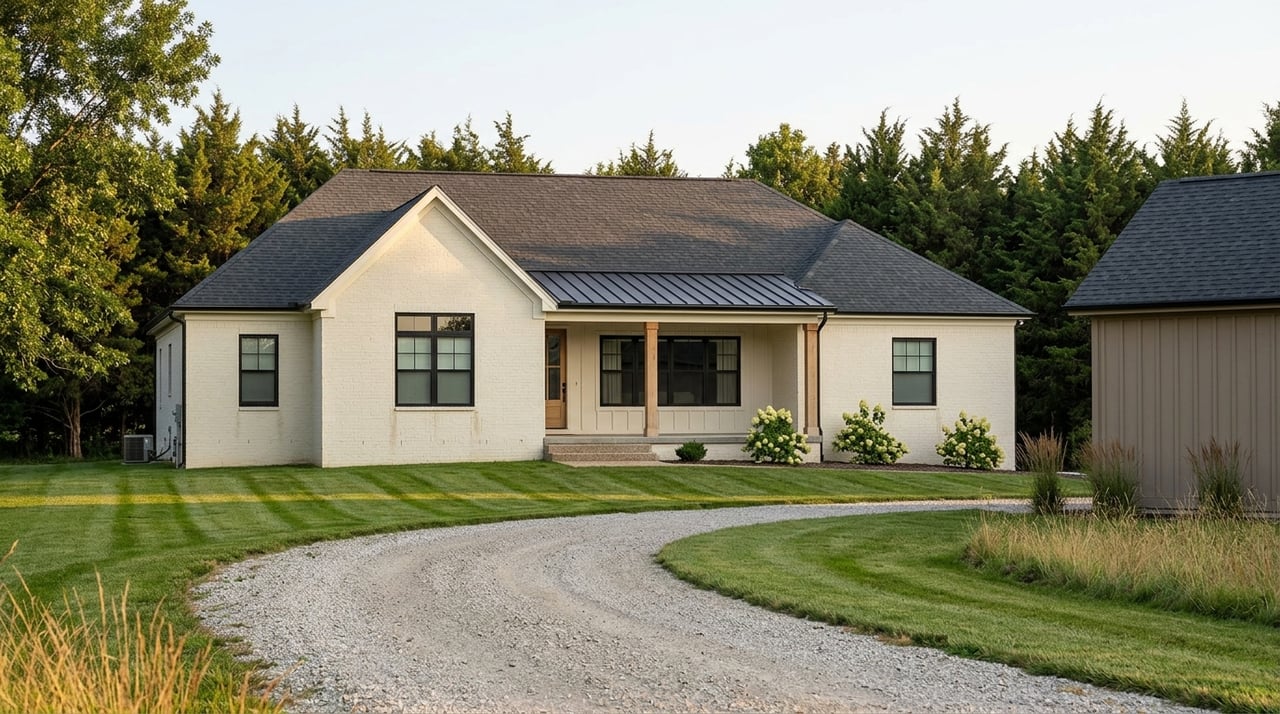
Around Lincoln, “acreage” is not one exact property type. It can mean anything from a larger homesite on the edge of developed areas to a true rural parcel with enough land to manage and maintain.
That matters because lot sizes near Lincoln follow different zoning rules depending on where the property is located. Inside Lincoln, residential lots are often measured in square feet, while rural Lancaster County zoning uses much larger minimums. In the county, rural districts require 3 acres in AGR and 20 acres in AG, which creates a very different ownership experience than a typical in-town lot.
Lincoln And Lancaster County Rules Matter
If you are looking outside city neighborhoods, it helps to know that property oversight can shift based on location. The City of Lincoln zoning ordinance applies inside the city and within its three-mile extraterritorial jurisdiction, while Lancaster County handles the rest of the unincorporated area.
That means two properties that both feel “close to Lincoln” may be governed differently. Before you fall in love with a home, it is smart to understand whether the city or county rules apply and what that could mean for land use, improvements, and future plans.
Lot Size Expectations Vary
In Lincoln, common residential zoning districts are much smaller than rural county parcels. For example, R-1 lots are 9,000 square feet, R-2 and R-3 are 6,000 square feet, and R-4 is 5,000 square feet.
By contrast, Lancaster County rural districts are designed for more land. If you are comparing a home on the edge of town with a property near places like Hickman or Raymond, the amount of land and the responsibilities that come with it can be dramatically different.
Some Rural Parcels Include More Than A Yard
Acreage living near Lincoln often means more than owning a house with extra grass. County assessor examples for rural ag-improved parcels near Raymond and Hickman show homes paired with homesite and ag-land segments, along with farm utility buildings.
That is a helpful reminder for buyers. You may be purchasing a residence, but you may also be taking on land stewardship, outbuildings, and property features that require ongoing attention.
Utilities Need A Closer Look
One of the biggest differences between in-town living and acreage living is how the property is served. Water and wastewater systems deserve extra attention because they are not always connected to the same public services you may be used to in Lincoln neighborhoods.
The Lincoln-Lancaster County Health Department inspects newly constructed or altered onsite wastewater systems, including septic, lagoon, and mound systems. It also states that properties served by a private well or onsite wastewater system must be inspected before sale.
Private Wells Are Common
UNL Extension notes that the most common private water system is a drilled well with a submersible pump and pressure tank. It also notes that small amounts of maintenance should be handled by a Nebraska-licensed professional, and that bacteria testing of a private water supply is up to the owner or user.
For buyers, this means you should not treat a well like a city water connection. You will want to understand the system, the maintenance needs, and the condition of the water setup before closing.
Septic And Onsite Wastewater Matter
Many acreages, farms, and ranches use septic systems or other onsite wastewater treatment systems. UNL Extension notes that poorly located, constructed, or maintained wells and wastewater systems can contaminate groundwater.
That makes inspections especially important. If you are buying acreage, you are not just checking whether the home looks great inside. You are also verifying that critical systems outside the home are functioning the way they should.
Access May Feel More Rural
Not every acreage property is reached the same way as a home in a typical subdivision. Lancaster County uses a parcel-based rural addressing system with blue address signs for occupied rural residential parcels.
For private drives that serve multiple residences, the blue sign is posted at the entrance rather than at each home. In AG Preservation areas, the county also requires a shared driveway and a public access and utility easement, so some properties may operate more like homes on a private rural lane than homes on a standard public street.
Driveway And Easement Questions Are Worth Asking
This is one of those details that can affect daily life more than buyers expect. Access, maintenance, and the feel of arriving home can vary a lot depending on whether the property sits directly on a road or shares a private drive.
When you tour acreage properties, it helps to ask clear questions about access, signage, driveway setup, and any easement arrangements. Those details can shape convenience, service access, and long-term expectations.
Acreage Living Comes With More Maintenance
Acreage ownership often appeals to buyers because of the space and privacy, but the tradeoff is more land-related work. In many cases, you are taking care of much more than a lawn.
Lancaster County says controlling noxious weeds is the property owner’s responsibility. If weeds are not controlled after notice, the county can contract the work and bill the owner.
Land Stewardship Is Part Of The Lifestyle
This is one of the biggest mindset shifts for buyers moving from town to country. More land usually means more mowing, more monitoring, and more responsibility for how the property is maintained.
The local water-quality guidance also notes that runoff from roofs, driveways, lawns, manure, pesticides, fertilizer, and debris can affect groundwater. Standing water that lasts more than four days can also become a mosquito source, so upkeep is not only about appearance. It can affect the health of the property and the surrounding environment.
Local Support Is Available
The good news is that acreage ownership is common enough in this area that local support exists. Nebraska Extension in Lancaster County offers a Water & Wastewater program for private well and septic owners, and it hosts a Southeast Nebraska Pasture & Acreage Expo for acreage and pasture owners.
That says a lot about local ownership patterns. These are normal topics for acreage owners near Lincoln, and learning about them early can make you a more prepared buyer.
Budgeting For Acreage Takes A Wider View
Acreage buyers often focus first on price, but the full budget deserves a broader look. Home value, land value, outbuildings, utilities, maintenance, and tax treatment can all affect the real cost of ownership.
For a local baseline, Lancaster County’s 2020 through 2024 median owner-occupied home value was $275,200. Median monthly owner costs were $1,742 for households with a mortgage and $729 without one.
Values Can Vary Widely
Acreage properties can sit well outside that baseline. County assessor examples for rural ag-improved parcels near Raymond and Hickman show assessed values of $791,900 and $457,500, which helps show how much values can differ once land, homesite, and outbuildings are part of the picture.
That range is important if you are comparing an in-town home with an acreage purchase. Even when two properties have similar living space, the land itself can shift the value and the ongoing ownership costs.
Tax Classification Can Affect Planning
Lancaster County says residential and commercial property is assessed at market value as of January 1, 2026, while agricultural or horticultural land receiving special valuation is assessed at 75% of agricultural market value. That does not mean every acreage will be taxed the same way.
It does mean buyers should understand how a property is classified and what parts of the parcel contribute to value. This is especially important when a property includes homesite land, agricultural land, or utility buildings.
Commute Times Depend On The Exact Property
Many buyers are drawn to acreage living because they want more space without losing connection to Lincoln. That balance is possible, but commute expectations should be based on the exact location, not just a general map view.
Lancaster County covers 864 square miles, and the countywide mean travel time to work is 19.0 minutes. Still, that county average only tells part of the story for acreage buyers.
Road Type And Drive Access Matter
A property may be “near Lincoln” and still feel very different depending on the road network, distance from the city edge, and whether you use a private drive. Your day-to-day experience may depend less on county averages and more on practical details like road type, turns, and access conditions.
That is why it helps to think beyond mileage alone. If commute, school drop-off routes, or regular trips into town matter to you, those should be part of your home search from the beginning.
What To Check Before You Buy
If acreage living near Lincoln is your goal, a little extra homework can go a long way. These properties can be wonderful fits, but they usually ask more of a buyer than a standard in-town home.
Here are a few smart things to verify as you narrow your options:
- Which zoning authority applies to the property
- Lot size and how the parcel is classified
- Whether the home uses a private well, septic, lagoon, or mound system
- Inspection requirements before sale for private well or onsite wastewater systems
- Driveway setup, shared access, and easement details
- The amount of land maintenance the property will require
- Whether outbuildings or ag-land features are part of the parcel
- How the commute feels in real life, not just on paper
The Right Acreage Is About Fit
Acreage living near Lincoln can be rewarding if it matches the way you want to live. For some buyers, that means more elbow room and a quieter setting. For others, it means taking on a level of maintenance and system oversight they may not enjoy.
The key is going in with clear eyes. When you understand zoning, utilities, access, maintenance, budget, and commute tradeoffs, you can make a decision that feels exciting and practical at the same time.
If you are starting to explore acreage homes near Lincoln, having local guidance can make the process feel much simpler. Miranda Watson can help you compare options in Lincoln and the surrounding communities so you can find a property that truly fits your goals.
FAQs
What does acreage living near Lincoln usually mean?
- Near Lincoln, acreage can mean anything from a larger homesite with a suburban feel to a true rural parcel with space for land management and outbuildings.
What lot size counts as acreage in Lancaster County?
- In Lancaster County rural zoning, AGR requires 3 acres and AG requires 20 acres, which is very different from typical city lot sizes in Lincoln.
What utility systems should buyers check on Lincoln-area acreage properties?
- Buyers should verify whether the property uses a private well and an onsite wastewater system such as septic, lagoon, or mound, and confirm required inspections before sale.
What maintenance responsibilities come with acreage ownership near Lincoln?
- Acreage owners may need to manage weeds, monitor runoff and standing water, and maintain private well and wastewater systems along with the land itself.
How much do commute times vary for acreage homes near Lincoln?
- Commute times can vary based on the exact location, road type, private-drive access, and distance from Lincoln, so the county average does not tell the whole story.
Are acreage property values near Lincoln all similar?
- No, acreage values can vary widely because land, homesite size, outbuildings, and property classification can all affect assessed value and overall cost.