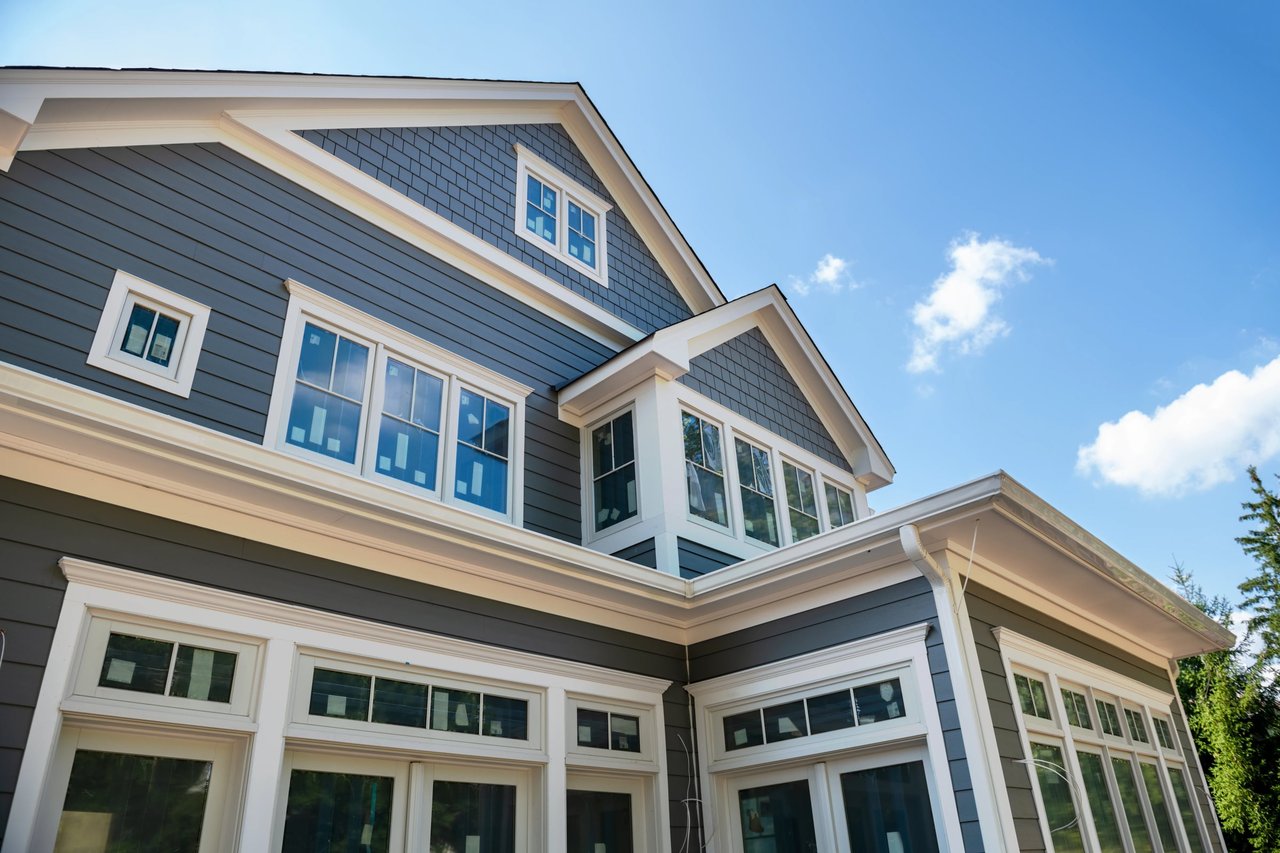
If you love homes with porches, mature trees, and details you do not see in every newer subdivision, Lincoln gives you a lot to explore. You may be drawn to the charm of an older house, or you may simply want a neighborhood that feels established and connected to the city’s history. Either way, understanding how Lincoln’s historic homes and neighborhood character fit together can help you buy or sell with more confidence. Let’s dive in.
Lincoln’s historic housing story
Lincoln’s older housing stock is closely tied to the city’s earliest growth. The original 1867 plan set up a grid from A to U Streets and 1st to 17th Streets, and for the city’s first fifty years, most expansion followed that pattern. By 1920, Lincoln had grown from a town of just a few dozen residents to about 55,000 people.
That history still shows up in the homes and streetscapes you can see today. In many parts of Lincoln, historic character comes from late-19th-century to mid-20th-century homes, especially in neighborhoods near the city’s older core. Rather than being limited to one small area, that character is spread across several districts and early neighborhoods.
Lincoln also has a well-established preservation framework. The city’s historic preservation program began in 1980 and now includes 104 individual local landmarks and 13 local landmark districts. That matters because the level of historic designation can affect what owners may need to review before making exterior changes.
What makes a Lincoln historic home feel distinct
In Lincoln, historic homes often reflect the city’s growth from the 1890s through the 1940s. The city’s permit-ready infill work is aimed at historic districts from that era, which helps confirm the house types that are most common in older neighborhoods. When you walk these areas, you will often notice a mix of porches, varied rooflines, older lot patterns, and homes that sit comfortably within a street-oriented layout.
Older neighborhoods also tend to feel different from newer subdivision areas. Lincoln’s Comprehensive Plan notes that older neighborhoods generally have greater density than newer areas. City guidance also connects many older parts of Lincoln with mature landscapes, attractive boulevards, and views that help shape a more established feel.
In places like Woods Park Bungalow, homes were built mostly without front-access garages. That small design detail changes the whole streetscape. Instead of garage doors dominating the front of the home, you are more likely to notice porches, windows, landscaping, and the relationship between the home and the street.
Common historic home styles in Lincoln
Lincoln’s preservation guidance gives a helpful snapshot of the styles you are most likely to see in older neighborhoods. While every block is different, a few house types show up again and again.
American Four Square
The American Four Square was common in Lincoln from about 1905 to 1925. These are usually two-story homes with a hipped roof, a front-facing hipped dormer, and a full-width front porch. They are especially appropriate in areas such as Near South, East Lincoln/Elm Park, Creighton, East Campus, Everett, Franklin Heights, and Hawley.
Craftsman bungalow
Craftsman homes in Lincoln were built roughly between 1905 and 1930. You will often see low-pitched gable roofs, wide overhanging eaves, exposed rafters, and full or partial-width porches. Many are one to one-and-a-half stories, which gives them a cozy, approachable look.
The city identifies this style as especially fitting in East Campus, Franklin Heights, and Woods Park Bungalow. For many buyers, these homes stand out because they blend character with practical scale.
Tudor Revival
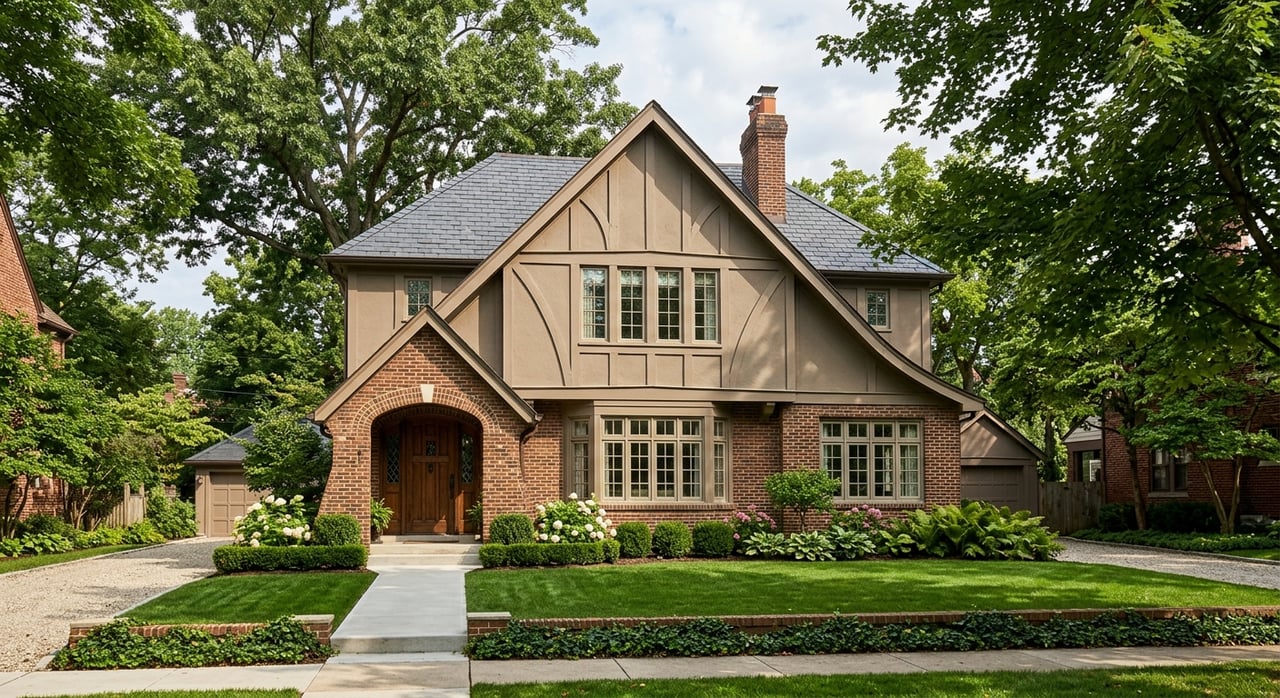
Tudor Revival homes in Lincoln date from about 1915 to 1940. These homes often feature steeply pitched roofs, front-facing or crossed gables, asymmetrical designs, and decorative half-timbering. Some are compact cottages, while others have a larger footprint.
This style appears in parts of Near South, Franklin Heights, Creighton, and East Campus. If you want a home with a strong architectural identity, Tudor Revival houses often catch your eye quickly.
Late Victorian and early eclectic homes
Some of Lincoln’s oldest residential areas include modest late Victorian houses dating to the late 1880s, along with more prominent early-1900s homes nearby. These properties help tell the story of Lincoln’s transition from a frontier-era town to a growing city. They also create some of the visual variety that makes older neighborhoods so interesting.
Colonial Revival and related revival styles
Revival styles are another important part of Lincoln’s early-20th-century housing stock. In Woodsshire, a 1925 subdivision with 131 houses on 40 acres, 50 homes are Colonial Revival. That concentration helps show how neighborhood character can come not just from age, but from a shared design vision across an entire area.
Neighborhoods where historic character stands out
Lincoln’s historic homes are not all in one place. Several neighborhoods and districts show different sides of the city’s architectural past.
Near South
Near South is one of the clearest examples of Lincoln’s older residential core. City materials describe it as one of Lincoln’s oldest and most historically significant residential areas. Between 1887 and 1925, it developed with a wide mix of housing styles, types, and scales.
The area is especially notable because city documents say nearly all of the architecturally significant structures built in Lincoln during the early part of the 20th century are located there. For buyers, that can mean a rich mix of styles and a strong sense of place. For sellers, it means character is often a key part of how a home is understood and appreciated.
Hawley
Hawley is another major historic area in Lincoln. It was platted in June 1884 and developed over roughly 46 years, from 1884 to 1930. That long development period helps explain the neighborhood’s architectural variety.
City materials also note Hawley’s connections to commerce and the university. Today, that layered history contributes to a neighborhood feel that is rooted in both location and built form.
Woodsshire
Woodsshire shows a different kind of historic identity. It is a planned 1925 subdivision set on elevated land with steep terrain, and the neighborhood includes a notable concentration of Colonial Revival homes. This gives it a more intentionally designed early-20th-century character.
If you are comparing historic areas in Lincoln, Woodsshire is a good reminder that older neighborhood character does not always mean the same thing. Some areas feel organic and varied, while others feel more cohesive because they were developed with a stronger unified plan.
Other older Lincoln areas
The city also identifies East Lincoln/Elm Park, Creighton, East Campus, Everett, Franklin Heights, Hawley, and Woods Park Bungalow as places that fit naturally with historic housing stock. The Comprehensive Plan also highlights Sheridan Place, Woodscrest, Sheridan Park, Woodsshire, and Sheridan Boulevard as early departures from Lincoln’s simple grid.
These neighborhoods better followed the terrain, added variety, and still connected back to the wider street network. That is part of why they can feel different from both the original grid and many newer neighborhoods.
Why neighborhood character matters to buyers
When you buy in a historic or older Lincoln neighborhood, you are often buying more than square footage. You are also choosing a street pattern, lot layout, home style, and overall feel that may be harder to find in newer construction areas. For many buyers, that established setting is a big part of the appeal.
Older neighborhoods in Lincoln often feel more street-oriented. You may notice front porches, mature landscaping, and homes that engage the sidewalk more directly. That does not make one type of neighborhood better than another, but it does mean the day-to-day experience can feel very different.
Historic homes also tend to offer more architectural individuality. On one block, you might see a Four Square, a bungalow, a Tudor Revival home, and a Colonial Revival house, all contributing to a layered neighborhood identity. If character is high on your wish list, that variety can be a major draw.
What sellers should understand about historic appeal
If you own an older home in Lincoln, your property’s character may be one of its strongest selling points. Buyers are often drawn to original details, classic exterior design, and the feeling of living in a more established area. A home’s setting within a recognizable historic district or older neighborhood can also shape how buyers perceive its value.
That said, it helps to understand the difference between historic charm and historic designation. Lincoln distinguishes between local landmark districts and National Register districts, and the city’s local design standards apply only to local landmarks and local landmark districts. This is an important detail if you are planning updates before listing or considering future exterior work.
Check designation before exterior work
This is one of the most practical steps for both buyers and current owners. The city says exterior alterations to locally designated historic landmarks and buildings in designated historic districts are subject to review and recommendations by the Historic Preservation Commission. If a home has local designation, exterior changes may require more review than a similar project elsewhere.
That does not mean you should avoid a historic property. It simply means you should verify designation early and understand what rules apply before planning additions, remodels, or exterior updates. Clear information upfront can save time, money, and frustration later.
How to think about fit in Lincoln
If you are trying to decide whether a historic home or neighborhood is right for you, start with your daily priorities. You may care most about architecture, walkable-feeling streets, a more established setting, or a home with a story. You may also want to balance charm with renovation plans, lot size, or layout preferences.
Lincoln gives you several ways to find that fit. Some areas lean more toward late-19th-century and early eclectic homes, while others are known for bungalows, Four Squares, Tudor Revival houses, or Colonial Revival homes. The right choice depends on what kind of character feels most like home to you.
Whether you are buying your first place, moving across town, or preparing to sell a long-loved home, local context matters. Understanding Lincoln’s historic neighborhoods can help you make a more confident decision and spot the details that really shape long-term value and lifestyle.
If you are thinking about buying or selling in Lincoln and want honest, local guidance about neighborhood character, home value, and what fits your goals, Miranda Watson would love to help.
FAQs
What counts as a historic home in Lincoln?
- In Lincoln, historic homes are often late-19th-century to mid-20th-century properties, especially those built from the 1890s through the 1940s in older near-core neighborhoods or designated historic districts.
Which Lincoln neighborhoods are known for historic character?
- Near South, Hawley, and Woodsshire are strong examples, and other areas tied to older housing stock include East Lincoln/Elm Park, Creighton, East Campus, Everett, Franklin Heights, and Woods Park Bungalow.
What historic house styles are common in Lincoln?
- Common styles include American Four Square, Craftsman bungalow, Tudor Revival, late Victorian or early eclectic homes, and Colonial Revival houses.
Do historic districts in Lincoln affect exterior changes?
- Yes. The city says exterior alterations to locally designated historic landmarks and buildings in designated historic districts are subject to review and recommendations by the Historic Preservation Commission.
How are older Lincoln neighborhoods different from newer ones?
- Lincoln’s older neighborhoods generally have greater density and often feel more street-oriented, with mature landscaping, porches, and homes that reflect earlier development patterns.
Should Lincoln buyers check historic designation before making an offer?
- Yes. If you may want to change the exterior, add on, or do a major remodel later, it is smart to verify whether the property is a local landmark or located in a local landmark district early in the process.