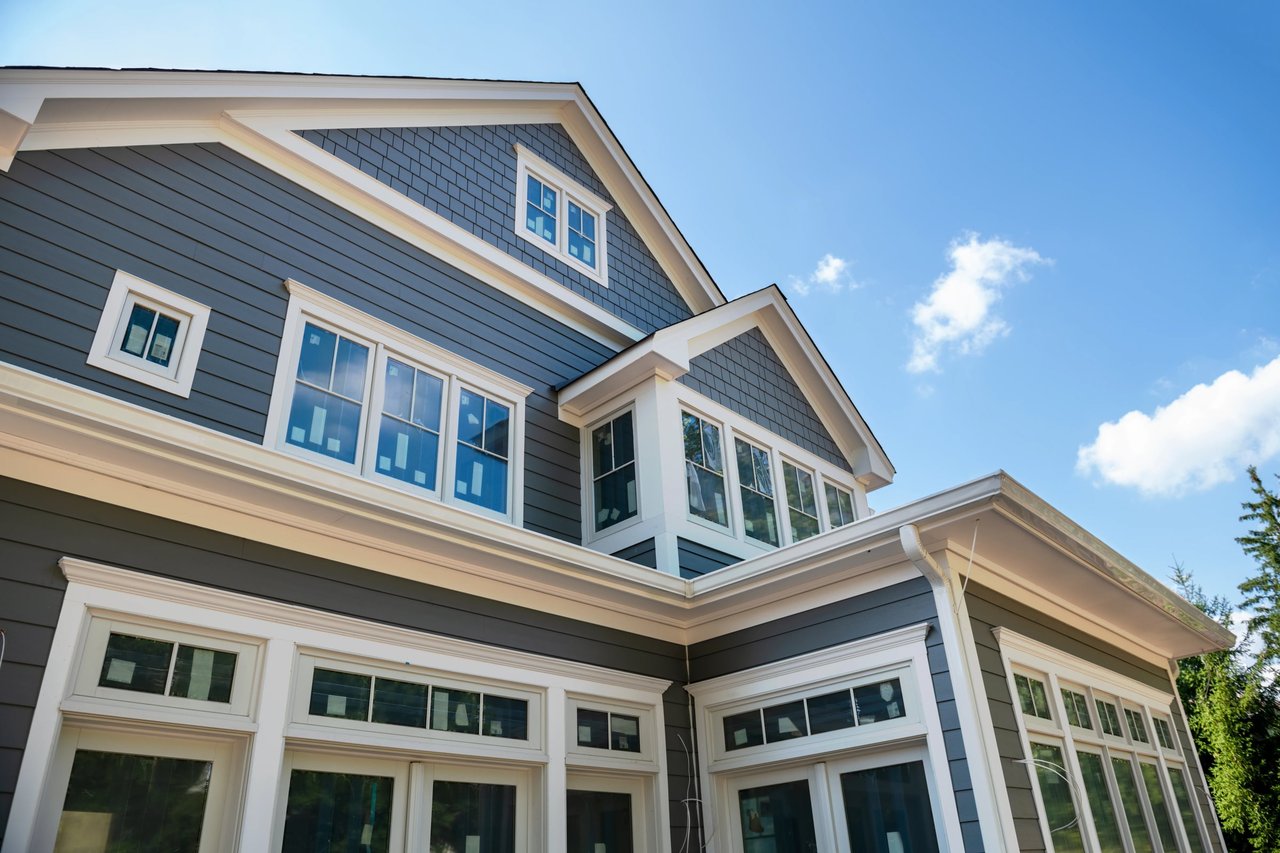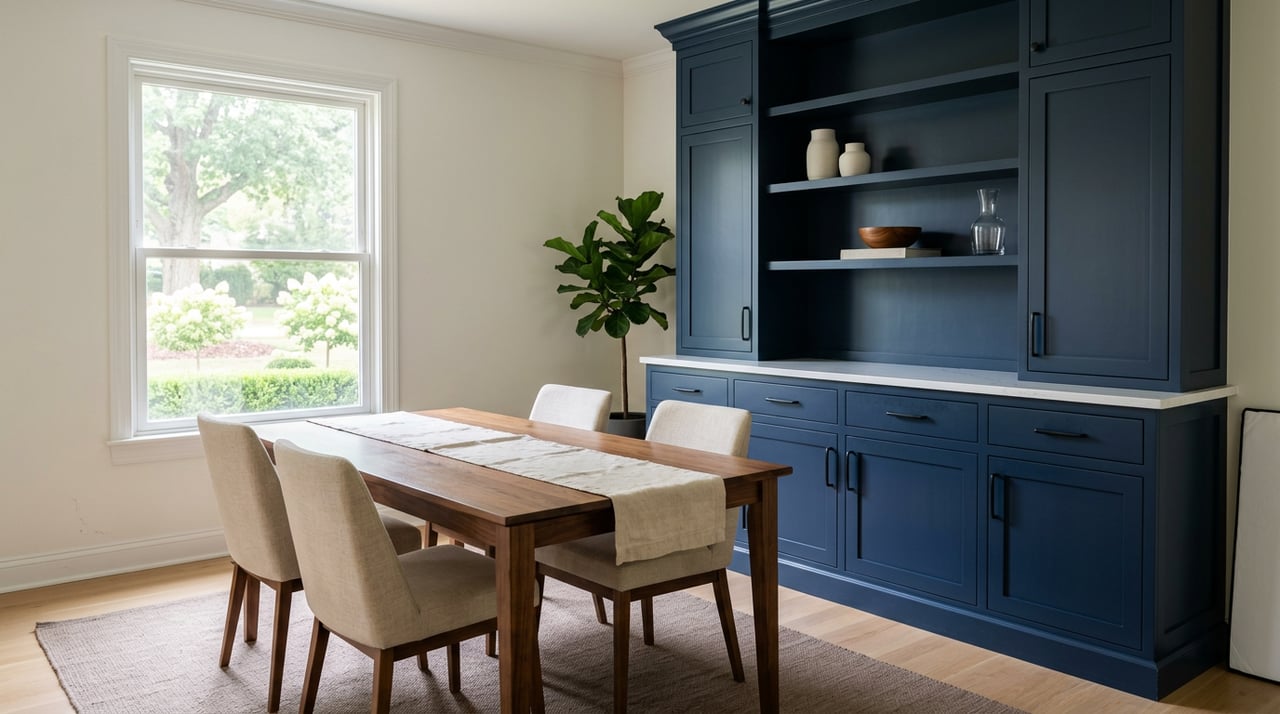
Picture two houses that show up on the same Saturday tour. Both list at $315,000. Both have three bedrooms, similar square footage, tidy yards. One sits in the 68517 ZIP on Lincoln's northeast edge. The other sits in 68522 on the southwest side. On paper the buyer is choosing between two equal offers. In the monthly payment, the buyer is choosing between two different mortgages.
That gap is the part of Lincoln's market that portals do not surface, and it is the part that shows up on every closing statement.
The number the portal does not show
Lancaster County's median effective property tax rate sits at 1.38%, well above the 1.02% national median, according to Ownwell's county tax profile. Inside Lincoln itself, the effective rate is not one number. It is a map.
| At a $315,000 assessed value | 68517 (northeast) | 68522 (southwest) |
|---|---|---|
| Median effective rate | ~1.00% | ~1.39% |
| Annual property tax estimate | ~$3,150 | ~$4,379 |
| Monthly tax component | ~$263 | ~$365 |
| Annual difference | — | ~$1,229 |
The 0.39-point spread across the same city, drawn from Ownwell's Lincoln ZIP data updated April 2026, is not a rounding difference. On a 30-year loan at today's rates, that hundred dollars a month shifts what a lender will approve, what an appraisal has to support, and how much cushion the household actually has after closing. For a move-up buyer already stretching, it is the difference between comfortable and tight.
The countywide picture stretches wider still. Ownwell tracks Roca at a 0.92% median effective rate on the low end and Hallam at 1.49% on the high end. Median annual tax bills across Lancaster County towns run from about $1,946 in Sprague to $5,578 in Walton.
Why the spread exists on the same city grid
Property tax rates in Lincoln are not set by the address. They are set by the layers of taxing districts stacked over that address. Every parcel pays the county base, the applicable school district, the community college, the Natural Resources District, and any special assessment or improvement district it happens to sit inside. Two homes half a mile apart can fall under different school boundaries or a different special assessment overlay, and the levy math changes underneath them.
That is why 68517 and 68522 can differ by nearly forty basis points while sharing the same city services and the same Assessor's Office. The Lancaster County Assessor sorts residential parcels into 24 valuation groups, 17 of which are neighborhoods inside Lincoln, according to the Nebraska Department of Revenue's 2026 Reports and Opinions of the Property Tax Administrator for Lancaster County. Those groups are how the county keeps assessments consistent. They are not how the tax bill is calculated. The bill is a function of where the parcel sits inside the district map, not which valuation group it belongs to.
What LB34 changed for 2026, and what it did not
The tax geography is currently being reshuffled by Legislative Bill 34, the property tax package passed in the 2024 special session and now working through its first full fiscal cycles. The parts that matter for a buyer comparing Lincoln homes in 2026:
- School district maximum levies stepped down from $1.05 to $0.40 per $100 of assessed value for FY 2025-26, and drop again to $0.35 for FY 2026-27 and $0.30 from FY 2027-28 onward, per the statute summary at Nebraska Legislature statute 77-7305.
- The School District Property Tax Relief Credit is funded at a minimum of $808 million for tax year 2026, applied automatically on the tax statement rather than claimed later on a state income tax return.
- The separate Property Tax Credit Act funding sits at $445 million for tax year 2026 under Nebraska Legislature statute 77-4212.
- Natural Resources District taxes carry a 75% credit for tax year 2026.
- The Property Tax Growth Limitation Act caps most local governments' annual tax collections at zero growth plus a quasi-inflation adjustment starting FY 2026.
The compression of school levies pulls the ceiling down on the largest single line item on most Lincoln tax bills. But the ZIP-level spread does not vanish, because special assessment districts, voter-approved bonds, and public safety carve-outs sit outside the cap and continue to differ from one part of the city to the next. In practical terms, LB34 lowers the average without flattening the map.
The assessment number under the sticker price
There is a second friction that catches buyers who move on price alone. Nebraska statute requires residential property to be assessed at 100% of market value as of January 1 of each year, and the Lancaster County Assessor confirms 2026 valuations are already posted to the property search on orion.lancaster.ne.gov.
Recent Nebraska Department of Revenue sales-file data assembled from Lancaster County records shows the median residential sale over the twelve months ending mid-July 2026 landed at $315,000 across 4,573 arms-length sales, with the middle half of sales falling between $245,000 and $430,000. Across those sales, the median transaction closed at roughly 1.06 times the assessor's value for the same parcel.
A home that sells at 1.06 times its assessed value is not overtaxed. It is a home whose next assessment cycle is likely to catch up, and whose future tax bill deserves a line in the buyer's math.
For anyone who believes the assessment overstates the market, the formal protest window for the 2026 Board of Equalization ran June 1 through 30, 2026, according to the Lancaster County Assessor/Register of Deeds Office. Buyers under contract during a protest window inherit the outcome, so it is worth asking whether the seller filed one.
What this means when you are comparing houses
The current Lincoln market is moving quickly. Recent snapshots show inventory clearing at a pending-to-active ratio of about 0.64 with a median listing age around four days in mid-summer 2026. In a market that fast, buyers make offers on lists of two or three homes rather than on a single property, and the temptation is to sort those lists by price.
Sorting by price is where the tax geography ambushes people. Two useful moves for a Lincoln buyer working a shortlist:
- Ask for the parcel number on every home you are seriously considering, and pull the current tax bill from the Lancaster County Treasurer's property search at app.lincoln.ne.gov. That bill already has the LB34 credits baked in, so it is a better payment estimate than any online calculator.
- Compare tax bills against each other, not against the median. Two homes at $315,000 in different parts of Lincoln can have tax bills a thousand dollars apart. That number belongs in the offer analysis before the emotional decision, not after.
Lincoln also has a due-date wrinkle that catches relocators from other parts of Nebraska. Property taxes here are paid March 31 and July 31 rather than the May 1 and September 1 schedule used in most of the state. Closing statements pro-rate around those Lancaster dates, which is worth flagging with the closer.
FAQ
Does the 2026 school levy cap mean my tax bill will drop? Not necessarily. The cap compresses one line item, but the other levies on the bill, including special assessment districts and voter-approved bonds, can move independently. The credit funding is the piece more likely to change the printed total.
Are 2026 assessments frozen? Nebraska law still requires assessment at 100% of market value as of January 1, 2026, and the Lancaster County Assessor has published those 2026 valuations. LB34's transitional freeze provisions apply narrowly and do not stop new valuations from being posted or protested.
If I buy a home that just closed above its assessed value, will my assessment jump? Individual assessments move on the county's six-year inspection cycle and on annual market adjustments within each valuation group. A single sale does not automatically reset a parcel, but a pattern of sales above assessed value in that valuation group tends to pull future assessments up.
If you are comparing Lincoln homes in different ZIP codes this fall, the tax line is worth pulling before the offer, not after inspection. I am happy to run the actual current bills on any two addresses you are weighing, so you can see the monthly payment picture side by side. Miranda Watson has been working with Lincoln buyers and sellers since 2005, and this is one of the shortest conversations we have. Let's Connect.