Ask a longtime Piedmont resident how many stone arches used to mark their neighborhood, and most will guess two, maybe three. The real number is four, and today there's exactly one left standing at 52nd and Randolph. It has been rebuilt once already, moved back from the intersection after a car took it out years ago. That single detail, an arch worth fixing rather than abandoning, turns out to be the through line for the whole neighborhood.
Piedmont doesn't preserve things by freezing them. It preserves them by rebuilding what breaks, in roughly the same spirit it started with. The arch is the smallest example. The neighborhood's original shopping center and its oldest houses tell the same story at a larger scale.
What the Four Arches Were Supposed to Do
When Charles Stuart, head of the Stuart Investment Company, bought 112 acres in the 1930s to build what he marketed as "12 minutes from downtown Lincoln," he wasn't just platting lots. He was building a statement about how this neighborhood would differ from the rest of the city. Piedmont's streets deliberately avoided Lincoln's grid, its lots ran three times larger than standard, and homes were positioned so no house faced another directly across the street.
The four stone and brick arches were the neighborhood's punctuation marks, built at the corners of 52nd and Randolph, South Cotner Boulevard and Randolph, South Cotner and A Street, and 56th and Ellendale Drive. Here's what happened to each:
- 52nd and Randolph: still standing, rebuilt and relocated after a vehicle collision
- South Cotner and Randolph: razed to make room for a home site and adjoining parkland
- South Cotner and A Street: became the site of a Lincoln Fire Department station
- 56th and Ellendale: lost when traffic at 56th and A Street grew too congested to preserve it safely
Three arches disappeared because the city needed the land for something else: a fire station, a home, safer traffic flow. Only one got the harder treatment, full reconstruction after damage, because someone decided it was worth the cost of putting it back rather than letting the corner go bare. That decision pattern shows up again a few blocks south.
The Shopping Center That Kept Getting Redesigned Instead of Demolished
The Shoppes at Piedmont, at 1265 South Cotner Boulevard, opened in the 1950s as the first shopping center in Lincoln. Built by the Kimball family with a layout finalized in the mid-1960s, it anchored the neighborhood through the 1970s and 80s with tenants like Safeway, Ben Franklin, and K's Restaurant. It also has a piece of movie trivia most residents don't bring up unprompted: it was a filming location for "Terms of Endearment" in 1983, the Debra Winger and Shirley MacLaine drama that also starred Jack Nicholson, Danny DeVito, Jeff Daniels, and John Lithgow.
By the 2010s, a strip center built around a grocery anchor and a five-and-dime was not going to survive on nostalgia. In 2013, a group of local investors, including Steve Glenn, the Glenn family, Mike Owens, and Jeff Fortenberry, bought the center, which was redeveloped into an upscale retail and service destination. The redesign work went to Archi+ETC, led by owner Cristy Joy.
Here's the shift in one place:
| Then (1970s-80s) | Now |
|---|---|
| Safeway | Piedmont Bistro by Venue |
| Ben Franklin | L. Marie's Floral Boutique |
| K's Restaurant | Bah-Shah Salon Suite |
The center didn't get bigger or flashier. It got more specific. Where a single grocery anchor once pulled the whole neighborhood in for one stop, the current mix runs on smaller, locally owned businesses that each do one thing: a bistro serving breakfast through dinner, a florist, a salon suite, plus the pet and medical service tenants that round out the directory. It's the same 8.6-acre footprint the city's own redevelopment planning documents describe, just filled differently.
What's Actually Inside Today
Piedmont Bistro by Venue, at 1265 South Cotner Boulevard Suite 38, runs a full breakfast-through-dinner schedule most days, with weekend hours that stretch from 8 a.m. brunch service into evening dining. It's the kind of tenant that wouldn't have fit the center's original grocery-and-five-and-dime model, and its presence makes the center a place people visit for a sit-down meal, not just a fast errand.
The rest of the directory leans the same direction. Bah-Shah Salon operates out of its own numbered suite rather than a generic storefront. L. Marie's Floral Boutique fills a slot that, forty years ago, would have been dry goods or hardware. None of these businesses are chains chasing foot traffic from a highway exit. They're operating in the center as it stands after its redevelopment.
The Renewal Extends to the Houses Themselves
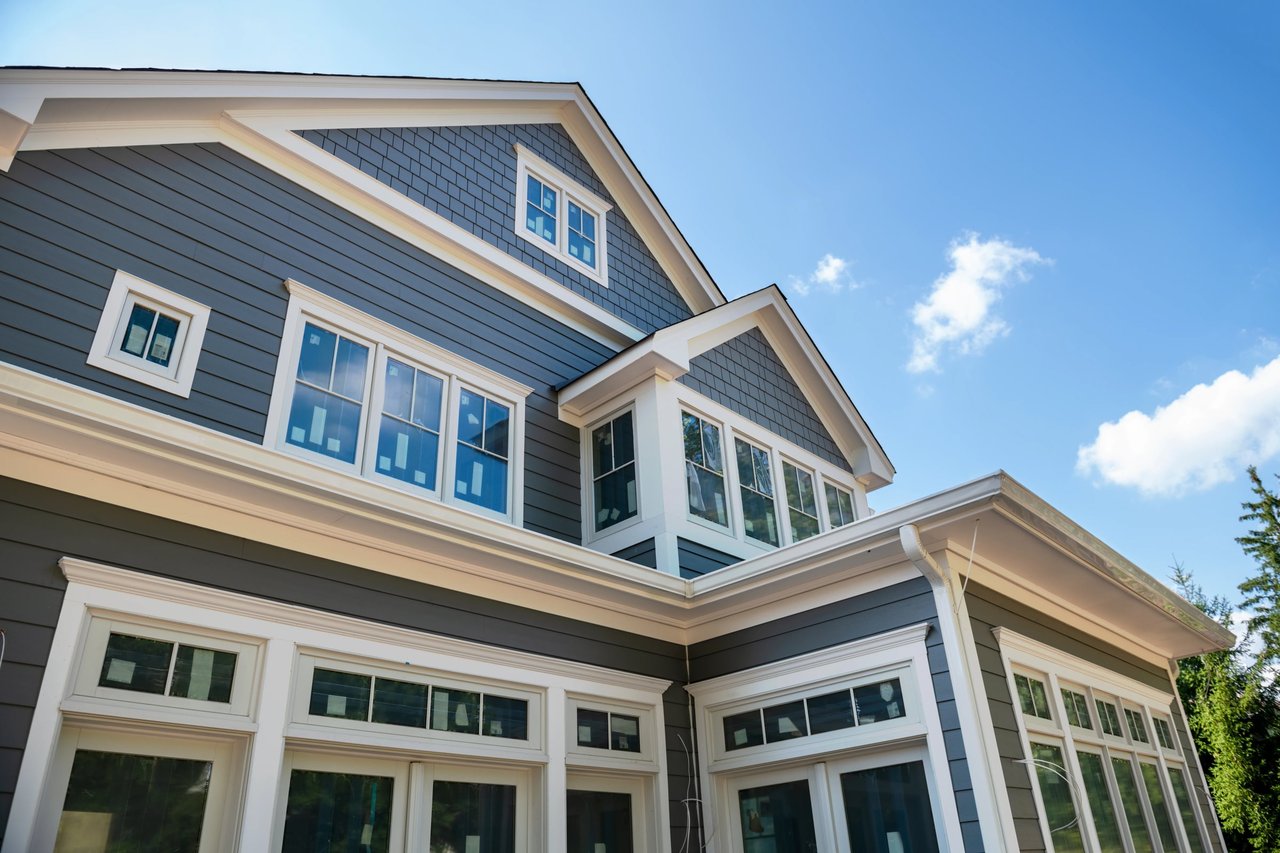
The pattern isn't limited to commercial property. In 2026, the Preservation Association of Lincoln gave its Integration of Old and New award specifically for the renovation and additions of two homes in the Piedmont neighborhood. That award category exists for projects that add onto historic structures without erasing what made them historic in the first place, which is a harder needle to thread than either preserving a house in amber or tearing it down for new construction.
It matters that this recognition landed in Piedmont and not somewhere else in Lincoln. The neighborhood's original design, with its oversized lots and non-grid streets, gives homeowners more room to add on without crowding a neighbor's sightline. That physical slack is part of why additions here can integrate rather than overwhelm. The same 1930s decision to build bigger lots than Lincoln's standard is still shaping what's possible on those lots nearly a century later.
The Consistent Piece
None of this is a story about a neighborhood staying exactly the same since the 1930s. Three arches came down. Safeway left. The center closed for a full redesign at least once. What stayed consistent is the choice, made over and over by different people across nine decades, to rebuild rather than let a piece of the neighborhood just disappear. The arch got fixed instead of removed. The shopping center got redesigned instead of demolished. The houses got additions instead of replacement.
If you're weighing what a place like this actually offers day to day, that pattern is the answer. Piedmont isn't a neighborhood that resists change. It's one that keeps choosing to renovate rather than replace, one arch, one storefront, one house at a time.
If you've got questions about what's happening in Piedmont or any other Lincoln neighborhood, Miranda Watson would love to hear from you. Let's Connect.