If you are thinking about making a move to Lincoln, you probably want more than stats on a map. You want to know what daily life actually feels like, from the pace of the city to the housing options, outdoor spaces, and areas where people tend to spend their time. The good news is that Lincoln offers a mix that many buyers find appealing: a manageable mid-sized city, a strong local identity, and plenty of ways to enjoy where you live. Let’s dive in.
Lincoln at a glance
Lincoln is Nebraska’s capital and the state’s second-largest city, with an estimated population of 300,619 in 2024, according to the U.S. Census QuickFacts for Lincoln. It also has a strong university presence, with the University of Nebraska-Lincoln reporting 23,954 students enrolled in fall 2025. That combination gives the city a unique blend of government, education, and everyday neighborhood life.
For many people, Lincoln feels easier to navigate than a major metro. The city reports a cost of living about 8% below the national average, an average commute of 19.5 minutes, and a median age of 34. It is the kind of place where you can often get across town without planning your whole day around traffic.
Why Lincoln feels livable
One of Lincoln’s biggest strengths is balance. You get the amenities of a larger city, but the overall pace still feels approachable and manageable. That matters if you want access to dining, events, trails, and local culture without the constant rush that comes with much larger markets.
Lincoln is also home to a broad mix of residents. City information notes that about 30,000 immigrants and refugees from roughly 150 countries live here, adding to the city’s diversity and day-to-day community life. For buyers relocating from out of town, that can make Lincoln feel both grounded and welcoming.
Downtown and the city core
If you want the most energy and activity, the city core is where you will feel it most. Centennial Mall physically links the State Capitol and UNL, and the university describes City Campus as closely woven into downtown Lincoln. That close connection shapes a lot of the city’s rhythm.
In practical terms, many residents who want restaurants, events, nightlife, and a more active atmosphere tend to gravitate toward downtown, the Haymarket, the Railyard, and the UNL corridor. These areas often feel busiest, especially when school is in session or major events are happening. If you enjoy being near the center of activity, this part of Lincoln will likely stand out to you.
What gives downtown Lincoln its energy
Lincoln’s culture scene is a real part of daily life, not just a once-in-a-while attraction. UNL highlights local destinations and events like the Sheldon Museum of Art, Lied Center for Performing Arts, International Quilt Museum, Pinnacle Bank Arena, Pinewood Bowl, First Friday Artwalk, and Jazz in June. That variety gives you options whether you prefer live performances, sports, art, or seasonal traditions.
This is one reason Lincoln can appeal to a wide range of buyers. You can enjoy a city with recognizable cultural anchors while still living in a market that is generally more moderate than many larger U.S. cities. It creates a lifestyle that feels active without feeling overwhelming.
Parks and outdoor access
Outdoor access is one of Lincoln’s strongest lifestyle advantages. The city’s Parks and Recreation department manages 168 parks, 185.9 miles of trails, 97 playgrounds, 9 pools, 6 recreation centers, 5 golf courses, 5 dog runs, a nature center, and public gardens. Even more impressive, the city says 95% of residents live within a mile of a public trail.
If being outside is part of your routine, Lincoln makes that easier. Whether you like walking, biking, taking the dog out, or simply having green space nearby, the city’s trail and park network is a major everyday perk. For many buyers, this becomes a big quality-of-life factor.
Pioneers Park Nature Center
One standout local amenity is Pioneers Park Nature Center. It includes 668 acres, more than ten miles of trails, prairie, woodland, and wetland habitat, along with non-releasable raptors and a small bison herd. It is a good example of how Lincoln blends city living with meaningful access to nature.
Spaces like this can make a city feel very livable over the long term. You are not limited to just a few small parks. Instead, you have a wider network of outdoor places that support both quick everyday outings and longer weekend time outside.
Getting around Lincoln
Most people in Lincoln still rely on driving, but public transit is a real option for many daily needs. StarTran offers route planning, live tracking, paratransit services, and VanLNK on-demand shared rides. That can be useful if you want flexibility beyond using a car for every trip.
The city’s average commute of 19.5 minutes also supports Lincoln’s reputation as an easier place to navigate. For relocators especially, that shorter commute can be a pleasant change. It can mean more time at home, less time in traffic, and a simpler daily routine.
Local events and community life
Living in Lincoln is not just about where you go. It is also about the community traditions that fill the calendar. City and university sources point to recurring events like Arbor Day LNK, National Night Out, Downtown Dinners, Jazz in June, and First Friday Artwalk.
Events like these help the city feel connected and active throughout the year. If you are moving to Lincoln from another area, these kinds of traditions can help you feel plugged in faster. They give you easy ways to explore different parts of the city and get a better sense of what fits your lifestyle.
What the weather is like
Lincoln gives you four distinct seasons. According to climate normals from the National Weather Service, average January highs and lows are 34.5°F and 17.8°F, while average July highs and lows are 85.5°F and 64.5°F. The city averages about 19.3 inches of snowfall each year.
That means you should expect true seasonal changes, from hot summer days to cold winter stretches. For some buyers, that is a plus because it brings variety to the year. For others, it is simply something to plan for when thinking about home maintenance, commuting, and outdoor routines.
Housing in Lincoln
Lincoln’s housing market is moderate compared with many cities around the country. Census data estimate a median owner-occupied home value of $264,000 and median gross rent of $1,086. The same source reports owner-occupancy at 56.1% and median monthly owner costs with a mortgage at $1,697.
For buyers, that often translates to more flexibility than they might find in higher-cost markets. For sellers, it means Lincoln remains appealing to a broad range of households looking for a city with solid amenities and relatively approachable housing costs. Affordability always depends on your budget and goals, but by national comparison, Lincoln is generally considered affordable.
What kinds of homes you will find
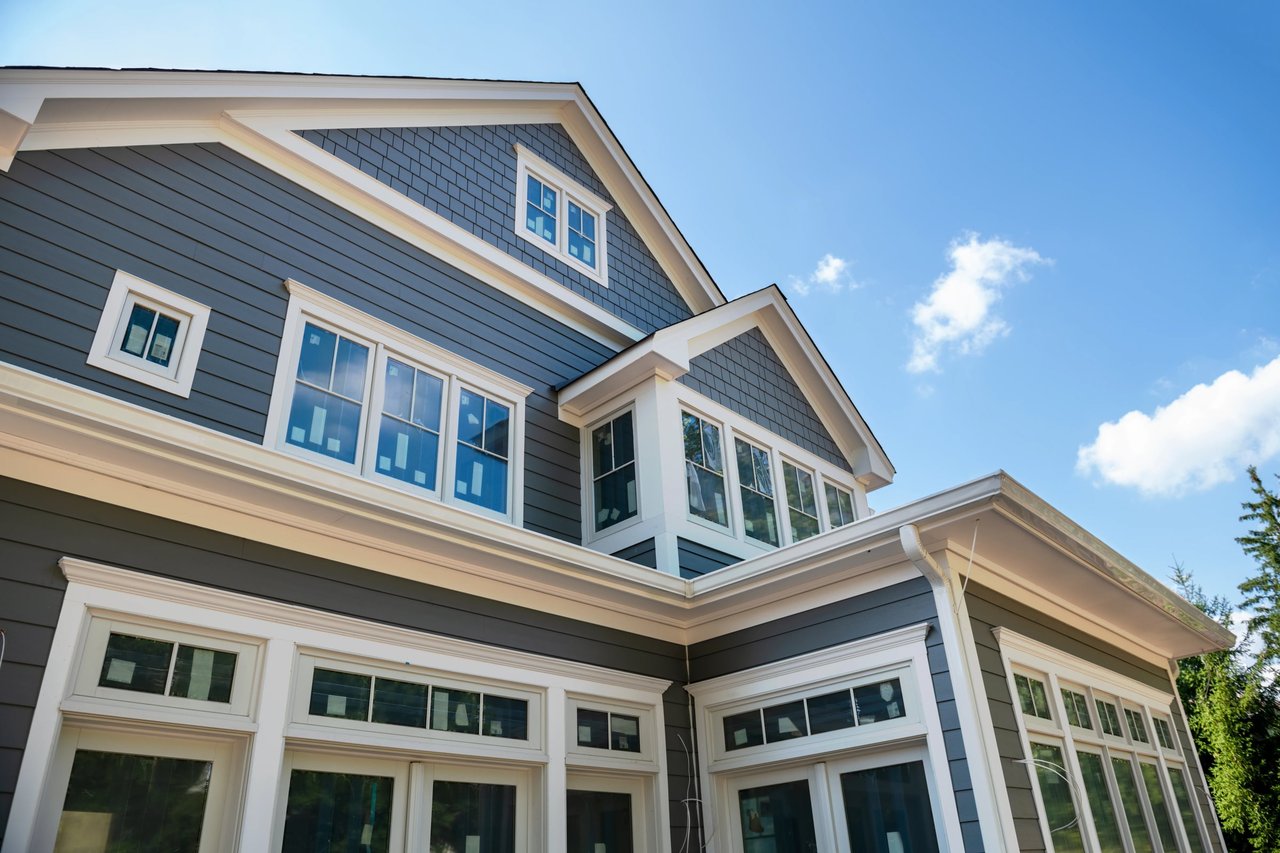
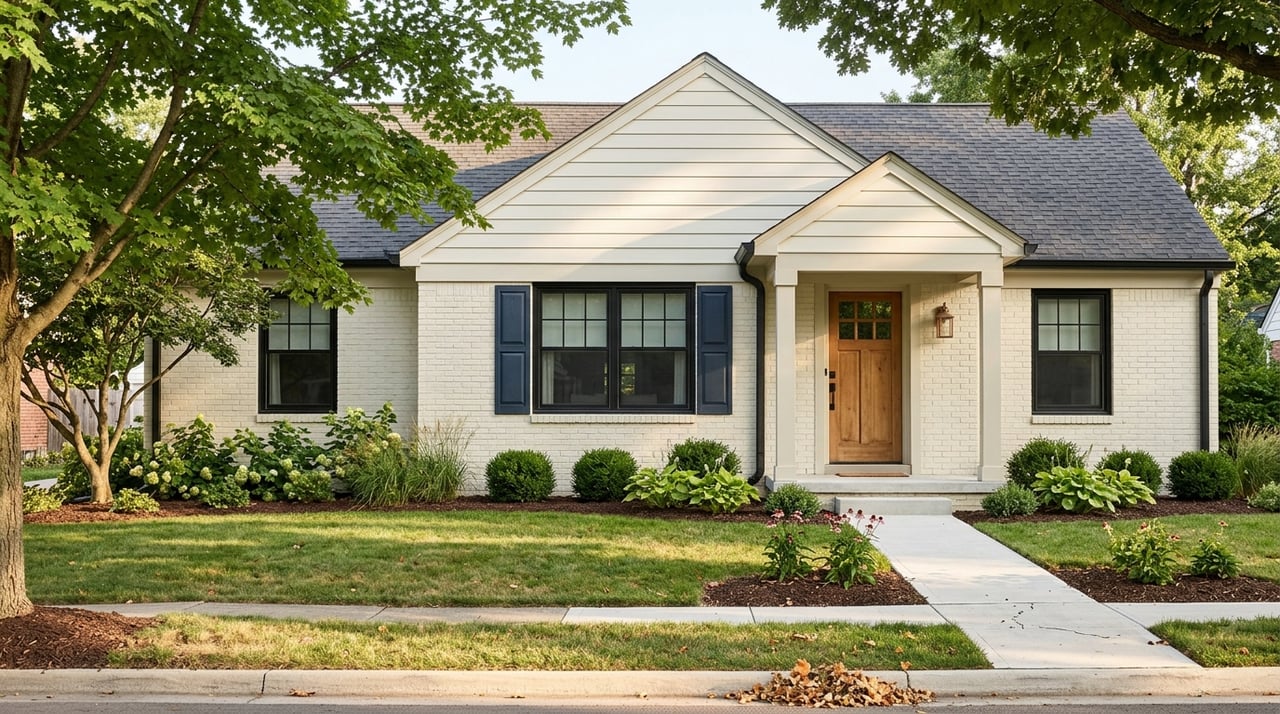
One of the nice things about Lincoln is that there is no single dominant home style across the whole city. City planning and preservation materials point to older core areas with bungalows, Colonial Revival, Foursquare, Art Deco, and other historic forms. At the same time, newer growth areas add more recently built homes and subdivisions to the mix.
In real life, that means you can expect a broad housing blend. Depending on where you look, you may find historic homes, mid-century neighborhoods, infill opportunities, and newer construction. That range can be especially helpful if you are trying to balance character, layout, price point, and location.
New construction remains important
New residential growth is still a major part of Lincoln’s story. The city says it issued more residential building permits over the past five-year period than in any other five-year stretch in its recorded history. Its 2024 residential land inventory also shows substantial future capacity, including 71,412 approved-and-potential dwelling units and 9,583 approved single-family units.
That continued growth matters because it gives buyers more options over time. If you are interested in newer homes, Lincoln has ongoing development that may be worth exploring. If you prefer established areas, the city’s older housing stock still offers plenty of variety.
Who Lincoln tends to fit best
Lincoln can work well for several types of buyers, but it is especially appealing if you want a city that feels manageable while still offering strong amenities. It tends to suit people who like the idea of a mid-sized capital city with a college-town energy in the core, solid park and trail access, and housing choices that range from historic to newly built.
That can include first-time buyers, move-up buyers, and people relocating from elsewhere in Nebraska or out of state. The key is that Lincoln offers choices. You are not locked into one lifestyle, one housing style, or one pace of living.
Final thoughts on living in Lincoln
If you are looking for a place with a steady pace, meaningful outdoor access, a connected downtown, and a housing market that is still relatively moderate, Lincoln deserves a close look. It offers the feel of a real city without some of the daily friction that comes with much larger metros. For many people, that balance is exactly what makes living here attractive.
If you are thinking about buying or selling in Lincoln or one of the surrounding communities, Miranda Watson can help you make sense of your options and find the right fit for your next move.
FAQs
What is it like living in Lincoln, Nebraska, day to day?
- Lincoln generally feels like a manageable mid-sized city with a college-town core, a strong parks system, a connected downtown, and a commute that is shorter than many larger metros.
Is Lincoln, Nebraska, an affordable place to live?
- Lincoln is generally affordable by national comparison, with the city reporting a cost of living about 8% below the national average and Census data showing moderate home values and rents.
What part of Lincoln, Nebraska, feels the busiest?
- Downtown, the Haymarket, the Railyard, and the UNL corridor typically feel the busiest because they are closely tied to campus, events, dining, and entertainment.
What kinds of homes can you find in Lincoln, Nebraska?
- Lincoln offers a mix of historic homes, mid-century neighborhoods, infill housing, and newer subdivision construction rather than one dominant citywide style.
Does Lincoln, Nebraska, have good parks and trails?
- Yes. The city manages 168 parks and 185.9 miles of trails, and it says 95% of residents live within a mile of a public trail.